
Tooth decay or damage often feels overwhelming, especially when you do not know what type of treatment your smile needs. We regularly help patients who experience tooth pain or notice a cavity and wonder exactly what steps we need to take to fix the problem. The good news: modern dental techniques give us reliable, comfortable ways to repair your teeth and return you to a pain-free life.
When you visit us for an exam, our team thoroughly examines your teeth to determine the most effective treatment. Most patients experiencing decay or minor trauma choose between two common procedures. By learning the basics of restorative dentistry, you become more confident and informed about your upcoming treatment. Let us explain the key differences between fillings and crowns, so you know exactly what to expect.
Understanding Dental Fillings: The First Line of Defense
We use dental fillings as our primary treatment for minor to moderate tooth decay. When bacteria eat away at your tooth enamel, they create small holes called cavities. We use fillings to close these vulnerable spaces, prevent decay from spreading, and restore your tooth's natural shape. This straightforward procedure stands as one of the most common treatments we perform, helping you preserve your natural tooth structure while preventing future complications.
Dental materials have advanced significantly, so we now offer composite resin fillings that blend seamlessly with your natural tooth color. This aesthetic approach ensures you no longer worry about dark metal spots showing when you laugh or speak.
When We Recommend Fillings
We typically recommend dental fillings for minor cavities that do not compromise the overall structural integrity of your tooth. When you catch a cavity early during a routine cleaning, a simple filling offers the ideal solution. We also restore small chips or minor wear on the tooth surface with fillings. As long as your tooth contains enough healthy enamel to hold the filling material securely, we choose this conservative treatment option.
The Filling Process
During your filling appointment, we make sure you feel completely numb and comfortable. We carefully remove the decayed portion of your tooth, thoroughly clean the affected area, and apply the composite resin. We shape the resin to match your natural tooth contours, then use a specialized curing light to harden the material instantly. We complete the process by polishing the tooth, leaving you with a smooth, fully functional bite in just a single visit.
Discovering Dental Crowns: Major Structural Repair
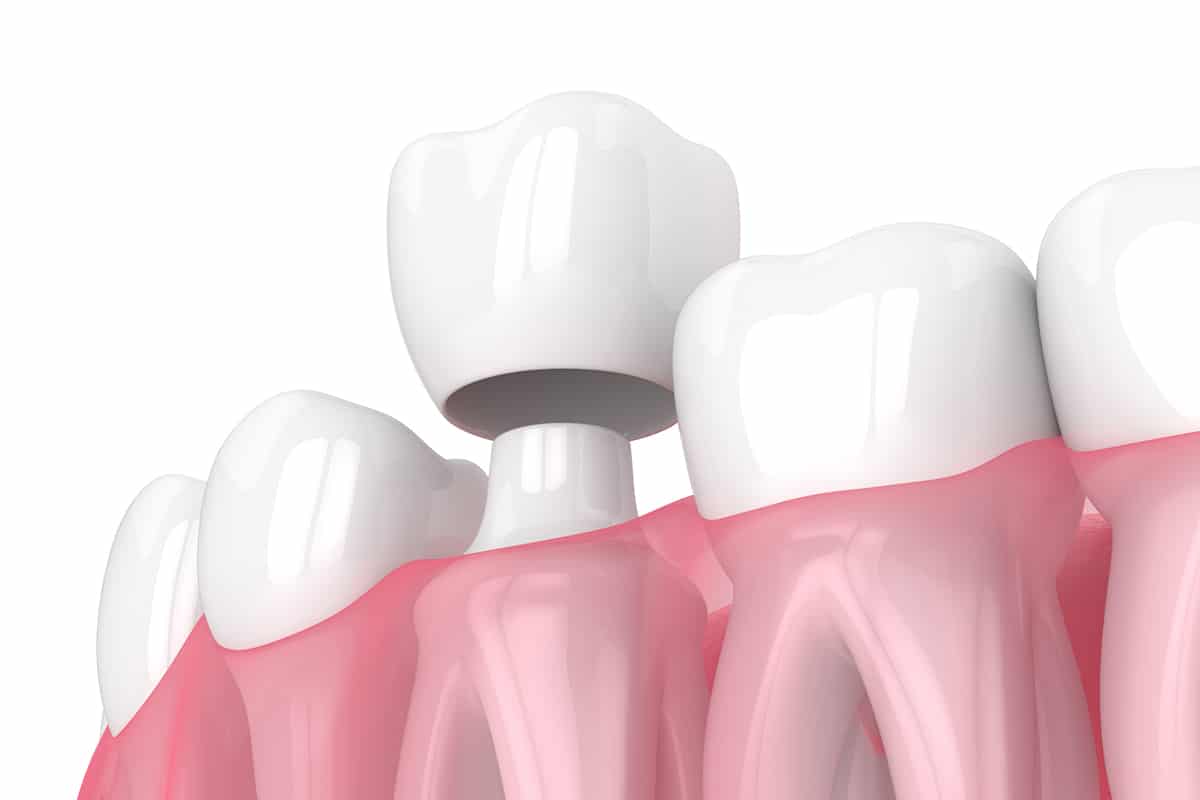
Sometimes a tooth sustains too much damage for a standard filling to hold together. In these situations, we use dental crowns to save the remaining tooth structure. A crown is a protective cap that completely covers the visible portion of your tooth, down to the gum line. We restore the strength, shape, and size of heavily damaged teeth with crowns, so you can chew and speak comfortably.
Crowns provide exceptional durability and protection. We customize every crown to match the exact shade and shape of your surrounding teeth, ensuring your restoration looks completely natural. This comprehensive coverage shields your vulnerable tooth from further damage and delivers the strength needed to withstand daily biting forces.
When Crowns Provide the Best Solution
We place a crown when a tooth has extensive decay, a severe fracture, or significant trauma. If a cavity grows too large, a traditional filling could act as a wedge, causing the weakened tooth to break under pressure. You also need crowns after root canal therapy because the treated tooth becomes brittle and needs full-coverage protection. We use crowns to cap dental implants or to support dental bridges.
How We Place Dental Crowns
You will usually need to visit our office twice for your crown procedure. During your first appointment, we remove any decay from the damaged tooth and gently reshape the enamel to create space for the crown. We then take precise impressions of your teeth and send them to our specialized dental laboratory. Before you leave, we place a temporary crown to protect your tooth. Once our lab crafts your custom permanent crown, you return for your second visit. We remove the temporary cap, check the fit and color of your new restoration, and cement it securely in place.
Making the Choice: Factors We Consider
We choose between a filling and a crown by carefully considering several specific clinical factors. We never guess about your oral health. We rely on digital X-rays, comprehensive visual exams, and our clinical expertise to evaluate the condition of your tooth. Our primary goal is to preserve as much of your natural tooth structure as possible while delivering a lasting, durable repair.
We share all our findings with you directly. We review your X-rays together and explain exactly why we recommend a specific restorative procedure. This collaborative approach helps you feel completely comfortable with your treatment plan before we begin any work.
Assessing Tooth Damage
The size of the cavity or fracture plays the biggest role in our decision-making process. We calculate how much healthy tooth structure remains. If decay covers more than half the tooth’s width, the remaining enamel cannot safely support a filling. In these cases, we choose a crown to prevent the tooth from breaking. We also consider the location of the tooth; back molars handle heavy chewing pressure and often need the strong protection a crown provides if weakened.
Long-Term Oral Health Goals
We also consider your long-term oral health and previous dental work. If a tooth already has a large, old filling that has failed, placing an even larger filling rarely succeeds. We prefer to transition that tooth to a crown for decades of stability. Our goal remains to restore your tooth with a solution that lasts, minimizes your future dental visits, and maximizes your comfort.
Restoring Your Smile to Full Health
If you need a simple filling or a durable crown, take action and treat tooth decay right away to avoid far bigger problems. We deliver top-tier care that relieves your immediate pain and protects your long-term dental health. When we intervene early, we stop bacterial infections from reaching your tooth’s nerve or spreading into your gums.
We encourage you to schedule regular checkups with our team so we can catch potential issues early. If you feel any sensitivity to hot or cold foods, experience a dull ache, or notice a sharp edge on a tooth, let us know right away. We will evaluate your smile and provide the precise restorative care you need to keep your teeth healthy, strong, and beautiful for years to come.
Frequently Asked Questions About Restorative Dentistry
How long do fillings and crowns typically last?
Dental restorations can last for many years when you maintain good oral hygiene. Composite resin fillings usually last between 7 and 10 years, and with proper care, many last even longer. Custom dental crowns often last between 10 and 15 years. We also see many patients keep their crowns for more than 20 years by brushing twice daily, flossing regularly, and visiting us for routine professional cleanings.
Does getting a crown or filling hurt?
We make your comfort our top priority during every procedure. Before we start any restorative work, we apply highly effective local anesthetics to numb the treatment area completely. You may feel some minor pressure or vibration while we work, but you should not feel any sharp pain. After the numbing medication wears off, you may notice mild sensitivity for a few days, but this temporary sensation fades quickly as your tooth heals.
We are the dedicated team at Ohana Dental, proudly providing compassionate, comprehensive dental care to our wonderful community. We create a welcoming, family-friendly environment where we deliver tailored treatments that protect and enhance your smile. If you experience tooth pain or need a routine checkup, please reach out to us today.